Bright Clouds: A Whimsical Font That Captures the Spirit of Creativity
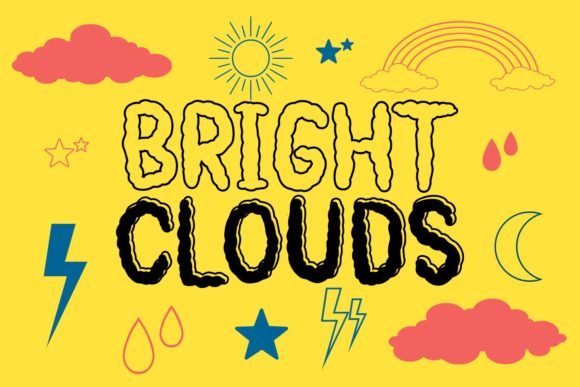
In a world where digital communication is increasingly visual and expressive, typography has become more than just a means of conveying information—it's an art form. One font that stands out for its charm, versatility, and emotional resonance is Bright Clouds. This whimsical and cute dingbats font features beautiful clouds and suns, offering a playful yet professional aesthetic that appeals to a wide range of audiences. Whether you're designing a brand identity, creating social media content, or building a website, Bright Clouds can add a touch of warmth and personality to your work.
The Rise of Expressive Typography in Digital Communication
As we move further into the digital age, the way we communicate online is evolving rapidly. People are no longer satisfied with plain text alone—they want to express themselves through visuals, emotions, and creativity. This shift has led to a growing demand for expressive typography that can convey tone, mood, and brand personality in a single glance.
Bright Clouds fits perfectly into this trend. Its design is inspired by the natural beauty of clouds and sunlight, evoking feelings of calm, joy, and inspiration. The font’s soft curves and rounded shapes make it ideal for use in branding, marketing materials, and creative projects that aim to connect emotionally with their audience.
Why Bright Clouds Is Gaining Attention
There are several reasons why Bright Clouds is capturing the attention of professionals, creators, entrepreneurs, and enthusiasts alike:
- Emotional Resonance: The font’s playful and friendly style helps brands and individuals stand out in a crowded digital landscape. It’s especially popular among those looking to create content that feels personal and approachable.
- Visual Versatility: Whether used in logos, social media posts, or website headers, Bright Clouds adapts well to different contexts and mediums. Its scalability and clarity make it suitable for both small screens and large displays.
- Cultural Relevance: As people seek more meaningful and authentic connections in their digital interactions, fonts like Bright Clouds offer a way to express warmth and positivity in a visually compelling manner.
Bright Clouds in the Context of Modern Design Trends
The popularity of Bright Clouds also reflects broader shifts in the design and creative industries. In recent years, there has been a noticeable move towards soft, organic, and handcrafted aesthetics in design. This trend is driven by a desire for authenticity and human connection in an increasingly automated and algorithm-driven world.
Bright Clouds aligns perfectly with this movement. Its hand-drawn elements and whimsical nature give it a sense of character that machine-generated fonts often lack. This makes it particularly appealing to designers who are looking to create content that feels more personal and less sterile.
Additionally, the rise of user-generated content (UGC) and brand storytelling has increased the need for typography that can support narrative and emotion. Bright Clouds is well-suited for these purposes, as it can help reinforce a brand’s voice and values through visual expression.
Practical Applications of Bright Clouds
While Bright Clouds may seem like a simple font, its impact on design and communication can be profound. Here are some practical examples of how it can be used effectively:
- Branding: Companies that want to project a friendly, approachable image can use Bright Clouds in their logo designs, packaging, and marketing materials. It works especially well for lifestyle brands, wellness companies, and creative agencies.
- Social Media: Influencers and content creators often use Bright Clouds to add a unique flair to their posts. It’s a great choice for Instagram stories, Twitter threads, and other platforms where visual appeal plays a key role.
- Website Design: Bright Clouds can be used for headlines, call-to-action buttons, and other interactive elements. Its readability and visual appeal make it a versatile choice for web developers and UX designers.
One notable example is a small wellness brand that used Bright Clouds in its logo and website. The font helped reinforce the brand’s mission of promoting positivity and self-care, while also making the brand feel more relatable and trustworthy.
How Bright Clouds Meets Changing Consumer Expectations
Consumers today are more informed, more selective, and more emotionally invested in the brands they support. They expect not only quality products or services but also a consistent and meaningful brand experience. This has led to a greater emphasis on visual storytelling and emotional engagement.
Bright Clouds supports this shift by providing a visual language that can help brands connect with their audience on a deeper level. Its whimsical and friendly style encourages trust and familiarity, which are essential in building long-term relationships with customers.
Moreover, as remote work and digital collaboration become more common, the need for tools that enhance communication and creativity has grown. Bright Clouds offers a simple yet effective way to infuse personality and warmth into digital content, making it a valuable asset for teams and individuals alike.
The Future of Typography and Creative Expression
Looking ahead, the role of typography in digital communication will continue to evolve. As technology advances and new platforms emerge, the demand for expressive and emotionally resonant fonts like Bright Clouds will likely grow even further.
Designers and marketers should consider how they can leverage such fonts to create more engaging and memorable experiences. Whether it's through branding, content creation, or user interface design, Bright Clouds offers a unique opportunity to blend creativity with functionality.
Ultimately, Bright Clouds is more than just a font—it’s a reflection of the changing ways we communicate, connect, and express ourselves in the digital world. By embracing its charm and versatility, creators and businesses can build stronger, more meaningful relationships with their audiences.