Anglice: A Unique Sans Serif Font for Designers and Creatives
In the ever-evolving world of typography, finding a font that balances whimsy with elegance can be challenging. Anglice stands out as a distinctive sans serif typeface that marries playful lettering with refined aesthetics. Designed to offer both visual appeal and functional versatility, Anglice is gaining attention among designers, writers, and brands looking for a unique typographic identity.
What Is Anglice?
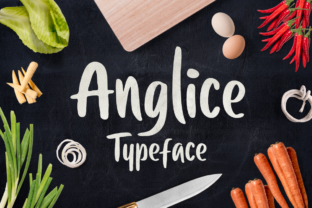
Anglice is a modern sans serif font that blends a whimsical, hand-drawn style with an elegant, clean structure. Its design features rounded corners, subtle serifs, and a balanced rhythm that makes it visually engaging while maintaining readability. Unlike traditional sans serifs, which often emphasize minimalism, Anglice introduces a sense of character and personality through its stylized letterforms.
The font's name reflects its origin in the English language and its ability to convey a sense of warmth and approachability. Whether used in print or digital formats, Anglice offers a fresh alternative to more conventional typefaces like Helvetica or Arial.
Why Would Someone Be Interested in Anglice?
There are several reasons why designers and creatives might find Anglice appealing:
- Visual uniqueness: The font’s whimsical elements make it stand out in a sea of standard fonts, ideal for branding or creative projects that require a memorable typographic presence.
- Elegance without complexity: While it has a playful edge, Anglice maintains a level of sophistication that suits both professional and personal use.
- Readability: Despite its decorative qualities, the font remains highly legible, making it suitable for body text in certain contexts.
- Flexibility: It works well across various mediums, including web design, print materials, and digital interfaces.
Benefits of Using Anglice
One of the primary advantages of Anglice is its ability to add personality to a design without compromising on clarity. This makes it particularly useful for:
- Branding: Companies seeking to differentiate themselves through their visual identity may find Anglice to be a strong choice.
- Marketing materials: Posters, brochures, and promotional content can benefit from the font’s eye-catching appearance.
- Digital interfaces: When used in moderation, Anglice can enhance user experience by adding a touch of creativity to websites or apps.
Additionally, Anglice supports multiple languages, which is a valuable feature for international projects or multilingual audiences.
Considerations and Tradeoffs
While Anglice offers many benefits, there are some considerations to keep in mind before incorporating it into your design:
- Readability in small sizes: Although the font is generally legible, its stylized forms may not perform as well at very small sizes, especially in dense text blocks.
- Typographic consistency: Because of its whimsical nature, Anglice may not always pair well with other fonts in a design system. Careful pairing is essential to maintain visual harmony.
- Accessibility: Some users with visual impairments may find the font’s decorative elements challenging to read, so it should be used thoughtfully in accessibility-sensitive contexts.
It’s also worth noting that Anglice may not be the best fit for every project. For example, in formal or technical settings where neutrality and professionalism are key, a more traditional sans serif like Roboto or Futura might be more appropriate.
Situations Where Anglice Excels
Anglice shines in scenarios where a bit of character and charm can elevate the overall design:
- Creative industries: Graphic designers, illustrators, and artists often look for fonts that reflect their unique style, and Anglice fits this need perfectly.
- Children’s media: The font’s playful aesthetic makes it ideal for books, educational materials, and children’s publications.
- Brand storytelling: Brands aiming to create a warm, friendly, or nostalgic image can leverage Anglice to communicate their values effectively.
When to Consider Alternatives
While Anglice is a compelling option, there are situations where alternatives may be more suitable:
- Professional environments: In corporate or academic settings, a more neutral and classic font may be preferred for its perceived reliability and professionalism.
- Large-scale text: If you’re working with long paragraphs or extensive body text, consider fonts designed for optimal readability, such as Open Sans or Lato.
- Technical documentation: For manuals, guides, or instructional materials, a clean, structured font like Montserrat or Inter is often more effective.
Ultimately, the decision to use Anglice depends on your specific goals, audience, and design context. It’s important to evaluate how well the font aligns with your project’s needs and whether it enhances or detracts from the overall message.
Making an Informed Decision
Before selecting Anglice, take time to explore its different weights and styles. Preview the font in various contexts—such as headings, body text, and buttons—to ensure it performs well across your intended applications.
Also, consider the platform where the font will be used. Some fonts may render differently on different devices or browsers, so testing is essential. Additionally, check if the font is available in open-source or commercial licensing options that match your project’s requirements.
By carefully weighing the pros and cons, you can determine whether Anglice is the right choice for your design or whether another font might better suit your needs.