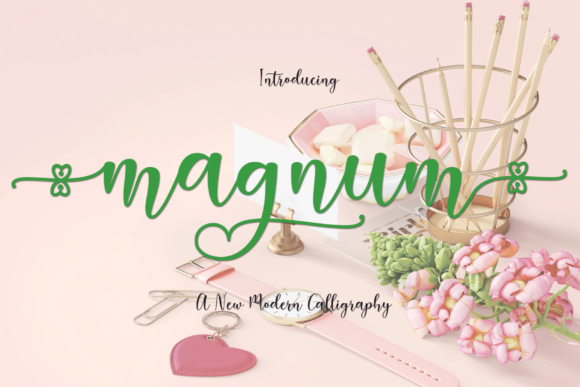
Magnum: A Strategic Font for Creative and Professional Expression
Magnum is more than just a script font—it's a tool that can elevate communication, branding, and creative expression. With its elegant swashes and fluid curves, Magnum offers a unique visual identity that can be strategically leveraged across various professional and personal contexts. Whether you're designing marketing materials, crafting brand assets, or creating content for digital platforms, understanding how to use Magnum intentionally can make a meaningful difference in how your message is perceived.
The Strategic Value of Magnum
In today’s competitive landscape, visual storytelling plays a critical role in capturing attention and conveying meaning. Fonts are not just aesthetic choices—they are functional elements that shape perception, influence readability, and reinforce brand identity. Magnum, with its sweet and fun character, provides an opportunity to add personality and flair to otherwise plain text.
For professionals such as entrepreneurs, marketers, and creators, the right font can help differentiate their work from the rest. Magnum’s script style is particularly effective in scenarios where a touch of elegance and charm is desired without sacrificing clarity. It’s ideal for headers, logos, and promotional graphics where visual impact matters.
However, the strategic value of Magnum lies not just in its appearance but in how it aligns with broader goals. When used thoughtfully, it can support branding efforts, content positioning, and audience engagement. For instance, a small business owner might use Magnum on their website to create a welcoming and approachable tone, while a designer might incorporate it into a project to reflect creativity and innovation.
When to Use Magnum
Choosing when to use Magnum is as important as choosing whether to use it at all. Here are some practical scenarios where Magnum can be most effective:
- Branding and Identity: Magnum can serve as a signature font for logos, social media profiles, and brand collateral. Its playful yet refined nature makes it suitable for both casual and professional settings.
- Marketing Materials: In brochures, flyers, and email campaigns, Magnum can draw the eye and add a sense of sophistication to otherwise standard designs.
- Digital Content: When used sparingly, Magnum can enhance the visual appeal of websites, blogs, and presentations without overwhelming the reader.
- Personal Projects: From invitations to handmade cards, Magnum adds a personal touch that can make a project stand out.
It’s important to note that Magnum is best suited for short text and headings. Using it for long paragraphs or body text can reduce readability and may not align with accessibility standards. Always consider the context and purpose before committing to a design choice.
How to Approach Using Magnum
Using Magnum effectively requires a deliberate approach. Start by defining your goals and considering the audience you’re targeting. Ask yourself:
- What message do I want to convey?
- Who is my audience, and what tone should I maintain?
- Does this font align with my brand values and overall design strategy?
- Will it enhance or detract from the user experience?
Once you’ve clarified these points, experiment with different applications. Test how Magnum looks in various formats—print, digital, and multimedia—to ensure consistency and effectiveness. Consider pairing it with complementary fonts for body text to maintain balance and readability.
Additionally, think about typographic hierarchy. Use Magnum for titles and subheadings to draw attention, while keeping body text in more neutral, readable fonts. This approach ensures that your message remains clear and engaging throughout.
Strategic Observations and Decision-Making Guidance
Magnum is not a one-size-fits-all solution. Its effectiveness depends on how well it integrates with your overall design and communication strategy. Here are some strategic observations to guide your decision-making:
- Context Matters: The setting in which you use Magnum should reflect its characteristics. A formal document may not benefit from a playful font, while a creative portfolio could thrive with one.
- Consistency is Key: Ensure that Magnum is used consistently across all platforms and materials to build recognition and trust with your audience.
- Accessibility Should Not Be Overlooked: While Magnum is visually appealing, it should not compromise readability. Always test its legibility on different devices and screen sizes.
- Feedback and Testing: Gather input from colleagues, clients, or users to assess how well Magnum supports your goals and enhances the user experience.
By approaching the use of Magnum with intention, you can avoid common pitfalls and ensure that it serves as a valuable asset rather than a distraction.
Risks of Using Magnum Without Clear Goals
While Magnum has its place in design, using it without clear goals or context can lead to unintended consequences. One of the primary risks is overuse, which can dilute its impact and make your message less credible. If Magnum is used too frequently or inappropriately, it may come off as unprofessional or unrefined.
Another risk is mismatched messaging. If the tone of your content is serious or formal, a playful font like Magnum may not align with your brand voice. This mismatch can confuse your audience and weaken your communication strategy.
Furthermore, relying on Magnum without considering accessibility can exclude certain users, especially those with visual impairments or reading difficulties. Always prioritize inclusive design practices and ensure that your font choices support a broad range of users.
Practical Examples and Planning Tips
To illustrate how Magnum can be used strategically, let’s consider a few real-world examples:
- Small Business Owner: A local boutique uses Magnum on its website header to create a warm and inviting first impression. It pairs well with a clean, modern sans-serif font for body text, ensuring both style and readability.
- Freelance Designer: A graphic designer incorporates Magnum into a client’s branding package to reflect creativity and individuality. It’s used selectively on logos and promotional materials, reinforcing the client’s unique identity.
- Content Creator: A blogger uses Magnum in headlines and call-to-action buttons to catch readers’ attention. It’s paired with a simple, easy-to-read font for the main content, maintaining a balance between aesthetics and functionality.
When planning your use of Magnum, start by outlining your objectives and identifying the key messages you want to communicate. Then, select appropriate contexts and formats where the font will have the greatest impact. Finally, review your work to ensure consistency, clarity, and alignment with your overall strategy.
Long-Term Value and Intentional Use
Ultimately, the long-term value of using Magnum lies in its ability to support your goals through thoughtful application. By using it intentionally, you can enhance your communication, strengthen your brand, and improve your overall outcomes.
Intentional use means recognizing when and how to apply Magnum without falling into the trap of random or excessive usage. It also involves being mindful of the broader implications of your design choices and ensuring they align with your strategic priorities.
As you continue to develop your skills and refine your approach, remember that Magnum is a versatile tool that can contribute to your success when used with purpose. By staying focused on your goals and making informed decisions, you’ll be able to harness the full potential of this beautiful and functional font.