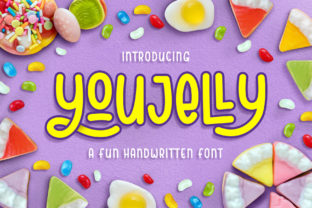
What Is Youjelly and Why It Matters for Designers
Youjelly is a fun, handwritten font that brings a whimsical and personal touch to design projects. Designed with a playful and expressive style, it’s ideal for those looking to add character and charm to their creative work. Whether you're creating invitations, social media graphics, or branding materials, Youjelly offers a unique visual identity that stands out in a crowded digital landscape.
The Appeal of Youjelly
Handwritten fonts like Youjelly have become increasingly popular among designers due to their ability to convey emotion and personality. Unlike traditional serif or sans-serif fonts, Youjelly mimics the natural flow of handwriting, making it feel more approachable and relatable. This quality makes it particularly appealing for projects aimed at younger audiences or those with a casual, friendly tone.
One of the key reasons people are drawn to Youjelly is its versatility. It works well across a variety of mediums, from print to digital formats. Its soft, rounded strokes and gentle curves make it suitable for both headings and body text, depending on the size and context. This adaptability means that Youjelly can be used in multiple ways without losing its distinctive character.
Benefits of Using Youjelly
Using Youjelly in your design projects can offer several advantages. First, it adds a sense of warmth and individuality to any project. In an era where many designs feel overly polished and sterile, a handwritten font like Youjelly can help create a more human and authentic connection with the audience.
Another benefit is its visual appeal. The irregularity and variation in letterforms give Youjelly a dynamic look that can draw attention and keep viewers engaged. This is especially useful for marketing materials, logos, or promotional content where standing out is essential.
Additionally, Youjelly is relatively easy to use. Most design software supports a wide range of fonts, including handwritten ones like Youjelly. This accessibility means that even beginners can incorporate it into their work without requiring advanced technical skills.
Considerations and Tradeoffs
While Youjelly has many strengths, it's important to consider its limitations. One potential drawback is readability, especially at smaller sizes. Because it’s a handwritten font, some letters may appear less legible when used in body text. As a result, it’s best suited for headings, titles, or decorative elements rather than long blocks of text.
Another consideration is consistency. Since Youjelly is designed to mimic handwriting, there may be slight variations in how each letter appears. While this can be charming, it might not be ideal for projects that require strict typographic uniformity. In such cases, pairing Youjelly with a more structured font can help maintain balance and clarity.
Furthermore, while Youjelly is free to use in many cases, some versions may require a license or subscription. Before using it in commercial projects, it’s always a good idea to check the font’s licensing terms to ensure compliance with usage guidelines.
When to Use Youjelly
Youjelly is an excellent choice for projects that aim to evoke a sense of playfulness, creativity, or nostalgia. It shines in contexts such as:
- Wedding invitations and stationery
- Social media posts and banners
- Branding materials for lifestyle or fashion brands
- Children’s books or educational materials
- Event posters and flyers
In these situations, the whimsical nature of Youjelly aligns well with the intended message and audience. It helps create a memorable and engaging visual experience that resonates emotionally with viewers.
Alternatives to Consider
While Youjelly is a great option for many design needs, there are other fonts that might be worth exploring depending on the project’s requirements. For example:
- Cursive fonts like Bell MT Bold or Great Vibes offer a similar handcrafted feel but with different stylistic nuances.
- Script fonts like Playfair Display or Libre Baskerville provide a more refined and elegant alternative.
- Modern sans-serif fonts like Helvetica Neue or Montserrat are better suited for clean, professional designs.
Choosing the right font depends on the specific goals of your project. If you’re looking for something more structured or formal, alternatives like these may be more appropriate. However, if your goal is to create a warm, inviting, and playful aesthetic, Youjelly remains a strong contender.
Making an Informed Decision
When deciding whether to use Youjelly, it’s important to evaluate how well it aligns with your design objectives. Ask yourself: Does it enhance the message I want to convey? Will it be readable in the intended context? Is it appropriate for the target audience?
If you’re working on a project that requires a mix of styles, consider using Youjelly as a complementary element rather than the sole font. Pairing it with a more readable typeface can help maintain visual harmony while still incorporating its unique charm.
Ultimately, the decision to use Youjelly should be based on practical considerations and creative vision. By understanding its strengths and limitations, you can make an informed choice that enhances your design work without compromising clarity or effectiveness.