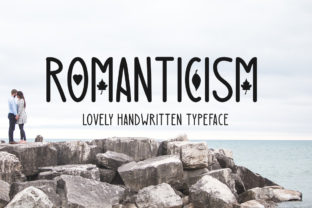
Discover Romanticism: A New Decorative Font Inspired by Nature and Love
In a world where typography plays a crucial role in communication, design, and branding, the emergence of new fonts often reflects evolving cultural values and aesthetic trends. One such font that has recently captured attention is Romanticism, a decorative typeface that beautifully blends artistic expression with nature-inspired elements. This article explores what Romanticism is, its origins, and how it can enhance your creative projects, personal expression, and even your daily life.
The Essence of Romanticism
Romanticism is not just another font—it's a visual language that speaks to the heart. Inspired by the Romantic era in art and literature, this font brings a sense of warmth, emotion, and natural beauty to every letter. Each character is crafted with care, drawing from the organic forms found in nature—flowers, leaves, vines, and flowing water.
Unlike traditional fonts that prioritize clarity and uniformity, Romanticism embraces irregularity and charm. Its playful look and feel make it ideal for invitations, greeting cards, logos, and other creative projects where a touch of whimsy is desired.
Why Romanticism Stands Out
- Nature-Inspired Design: The font draws inspiration from the natural world, making it visually unique and emotionally resonant.
- Playful and Expressive: It adds a sense of fun and creativity to any text, whether used in personal or professional contexts.
- Emotional Connection: The soft curves and flowing lines evoke feelings of love, nostalgia, and serenity.
- Highly Versatile: It works well in both digital and print formats, making it suitable for a wide range of applications.
Understanding the Romantic Movement
To fully appreciate the significance of the Romanticism font, it's helpful to understand the historical movement it draws from. The Romantic period, which spanned the late 18th to mid-19th century, was a reaction against the Enlightenment’s emphasis on reason and logic. Instead, Romantics celebrated emotion, individualism, and the beauty of nature.
Key themes of the Romantic movement included:
- Emotion and Imagination: Artists and writers sought to express deep feelings and vivid imaginations through their work.
- Connection to Nature: Nature was seen as a source of inspiration and spiritual renewal.
- Individual Experience: There was a strong focus on personal experience and subjective perception.
This historical context helps explain why the Romanticism font carries such emotional weight. It channels the same spirit of passion and creativity that defined the Romantic era, translating it into a modern visual form.
How Romanticism Fits Into Modern Life
While the Romantic movement is rooted in history, its influence continues to shape contemporary design and culture. The Romanticism font is a perfect example of how historical aesthetics can be adapted for modern use. Here are some ways it can be applied in everyday life:
1. Creative Projects
Whether you're designing a wedding invitation, creating a social media post, or working on a personal blog, the Romanticism font can add a unique and memorable touch. Its elegant yet playful style makes it ideal for romantic or nature-themed content.
2. Branding and Marketing
For businesses that want to convey warmth, creativity, or a connection to nature, the Romanticism font can be a powerful tool. It can help create a brand identity that feels personal and authentic.
3. Education and Learning
Teachers and educators can use the Romanticism font to make learning materials more engaging. For example, using it in poetry lessons or environmental studies can help students connect with the subject matter on an emotional level.
4. Technology and Digital Media
With the rise of digital platforms, the Romanticism font is well-suited for web design, mobile apps, and online content creation. Its readability and visual appeal make it a great choice for websites, social media profiles, and digital marketing campaigns.
Common Misconceptions About Romanticism Fonts
Despite its growing popularity, there are some common misunderstandings about the Romanticism font. Let's address a few of them:
- Misconception: “It’s only for romantic occasions.”
Reality: While it’s especially suited for romantic themes, the font can also be used in educational, artistic, and even professional settings when styled appropriately. - Misconception: “It’s hard to read.”
Reality: Despite its decorative style, the Romanticism font maintains good legibility, especially at larger sizes. - Misconception: “It’s outdated.”
Reality: The font is a modern reinterpretation of classic Romantic ideals, making it relevant and fresh for today’s designers and creators.
Getting Started with Romanticism
If you're interested in using the Romanticism font, there are several steps you can take to get started:
- Explore Available Sources: Look for reputable font repositories like Google Fonts, Adobe Fonts, or independent designers' websites.
- Test Different Styles: Try the font in various contexts to see how it looks in different colors, backgrounds, and layouts.
- Combine with Other Fonts: Pair it with complementary fonts to create a balanced and visually appealing design.
- Use for Personal Projects: Experiment with it in your own creative work to find what resonates best with your style.
Conclusion
The Romanticism font is more than just a design element—it’s a celebration of emotion, nature, and creativity. By embracing its playful and expressive style, you can bring a new level of charm and depth to your projects, whether they’re personal, professional, or artistic. As we continue to seek meaningful connections in our fast-paced world, fonts like Romanticism remind us of the beauty that lies in simplicity, nature, and heartfelt expression.
Whether you're a designer, writer, educator, or simply someone who appreciates beautiful typography, the Romanticism font offers a unique way to infuse your work with warmth and character. Fall in love with its playful look and feel, and let it inspire your next creative endeavor.