Operal: A Timeless Serif Font with a Cool Edge
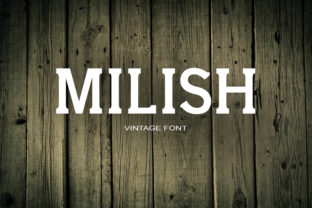
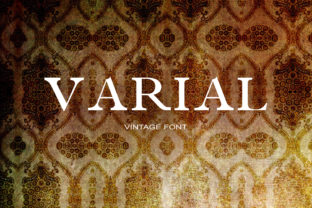
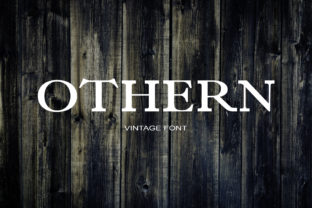
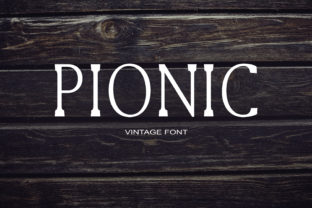
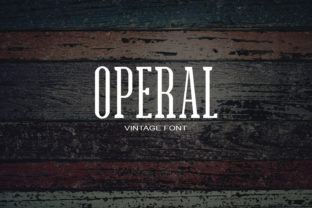
When it comes to choosing the right font for your design projects, typography plays a crucial role in how your message is received. Operal stands out as a serif font that blends elegance with modern appeal. With its clean lines and strong structure, Operal offers a timeless look that can elevate any visual project, from branding materials to digital content.
Why Operal Matters in Design
Operal is more than just another font—it’s a tool that can help you make a stronger impression. Its serif style gives it a classic feel, which is perfect for professional documents, logos, and even creative websites. The font’s boldness and clarity make it stand out in both print and digital formats, ensuring your text remains readable and impactful.
One of the key reasons people are drawn to Operal is its versatility. Whether you're designing a website, creating a presentation, or working on a brochure, this font adapts well to different contexts. Its balanced proportions and consistent weight ensure that it looks great at various sizes, making it ideal for both headings and body text.
Common Mistakes When Using Operal
While Operal is a powerful font, there are some common mistakes people make when using it. Understanding these can help you avoid pitfalls and get the most out of your design work.
- Overusing it in the wrong context: While Operal is great for formal and professional designs, it may not be the best choice for casual or playful content. Always consider the tone and purpose of your project before selecting a font.
- Ignoring font pairing: Pairing Operal with a complementary sans-serif font can create a visually appealing contrast. However, mixing too many fonts can lead to cluttered designs.
- Not checking licensing: Many fonts, including Operal, come with specific usage rights. Failing to understand these can result in legal issues, especially if you're using the font for commercial purposes.
How These Mistakes Can Affect Your Work
Making these mistakes can have real consequences. For example, using Operal in an inappropriate context might make your design feel outdated or unprofessional. Poor font pairing can distract from your message and reduce readability. And ignoring licensing terms could lead to costly errors, especially for businesses relying on consistent branding.
By being mindful of these issues, you can ensure that your use of Operal enhances rather than detracts from your overall design goals.
Practical Tips for Using Operal Effectively
If you're looking to use Operal in your next project, here are some practical tips to help you do it right:
- Use it for the right purpose: Choose Operal when you want to convey strength, reliability, or sophistication. Avoid using it in contexts where a more casual or modern font would be better.
- Test it across devices: Ensure that Operal looks good on all platforms, including mobile and desktop. Some fonts may render differently depending on the system they’re viewed on.
- Check for compatibility: If you're using Operal in a web design, verify that it works well with different browsers and screen sizes. Consider providing a fallback font in case the primary one isn’t available.
What to Look For Before Deciding on Operal
Before committing to Operal, there are a few things you should check:
- Font license: Make sure you understand the terms of use. Some fonts are free for personal use but require purchase for commercial applications.
- Font availability: Check if Operal is available in the format you need—whether it's for web, print, or app use.
- Font quality: Preview the font in different sizes and colors to ensure it maintains its clarity and aesthetics under various conditions.
These checks can save you time and headaches down the line, helping you make informed decisions about your design choices.
Final Thoughts on Operal
Operal is a fantastic font that brings a unique blend of strength and elegance to any design. By understanding its strengths and potential pitfalls, you can use it effectively to enhance your communication and brand identity.
Remember, the key to successful typography lies in knowing when and how to use each font. With Operal, the possibilities are endless—but only if you approach it with care and intention.