Graydon: A Unique Serif Font with Distinctive Style
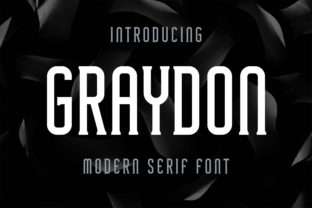
When it comes to choosing a font for design projects, the right choice can significantly impact the overall look and feel of the work. Among the many serif fonts available, Graydon stands out as a distinctive option that blends elegance with modern sensibilities. Designed with a unique approach to typography, Graydon offers a fresh take on traditional serif styles, making it an appealing choice for a variety of applications.
The Essence of Graydon
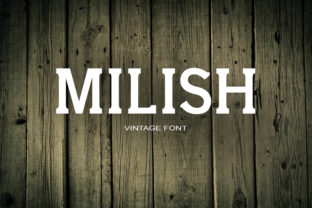
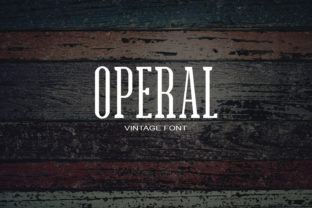
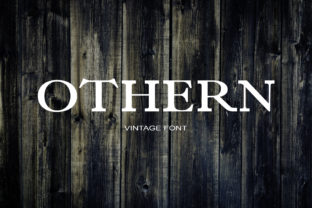
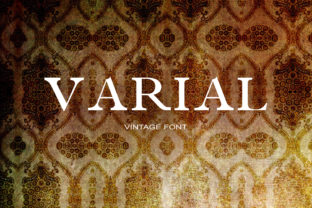
Graydon is a serif font that defies conventional categorization. While it shares some visual characteristics with classic serif fonts like Times New Roman or Garamond, it introduces a more contemporary flair through its subtle curves and refined spacing. The font’s design is rooted in readability, ensuring that text remains legible even at smaller sizes, which is crucial for both print and digital media.
What sets Graydon apart is its balance between form and function. It avoids the overly decorative elements often found in other serif fonts, instead focusing on clean lines and a consistent rhythm. This makes it particularly well-suited for body text, headings, and even branding materials where clarity and sophistication are key.
How Graydon Compares to Other Serif Fonts
While there are many excellent serif fonts available, Graydon distinguishes itself through its unique style and versatility. Let’s explore how it stacks up against some common alternatives:
- Times New Roman: A classic choice known for its readability and historical significance. While reliable, it lacks the modern edge that Graydon brings to the table.
- Garamond: Another traditional serif font with a rich heritage. Garamond is highly readable but can sometimes feel heavier and less adaptable to modern design trends.
- Baskerville: Known for its elegant structure and strong contrast, Baskerville is a favorite among designers. However, it may not offer the same level of adaptability as Graydon in various contexts.
- Georgia: Often used in web design, Georgia is a good all-rounder. Still, its slightly more pronounced serifs can make it feel less versatile than Graydon in certain applications.
In comparison, Graydon offers a more balanced approach. It maintains the readability and elegance of traditional serif fonts while incorporating a modern aesthetic that appeals to contemporary design sensibilities.
Strengths and Tradeoffs
One of the primary strengths of Graydon is its adaptability. Whether you're working on a professional document, a website, or a brand identity, the font performs well across different mediums. Its clean and structured appearance ensures that it remains visually appealing without overwhelming the reader.
However, like any font, Graydon has its tradeoffs. Its minimalist design may not be suitable for projects that require a more ornate or decorative feel. Additionally, while it excels in readability, it may not be the best choice for projects that demand a stronger visual impact or a more dramatic typographic statement.
Another consideration is the font's availability. While Graydon is widely accessible through various platforms and design software, it may not be as commonly used as some of its counterparts. This could affect its perceived familiarity in certain contexts, such as marketing materials or branding campaigns.
Best-Fit Situations for Using Graydon
Graydon is particularly well-suited for projects that require a blend of professionalism and modernity. Here are a few scenarios where this font shines:
- Professional Documents: Reports, proposals, and academic papers benefit from the clarity and elegance of Graydon. Its structured appearance ensures that information is presented in a clear and organized manner.
- Website Content: For websites that aim to maintain a sophisticated yet approachable tone, Graydon offers a great alternative to more standard sans-serif fonts. It enhances readability while adding a touch of refinement.
- Branding Materials: Logos, brochures, and packaging designs can benefit from the timeless appeal of Graydon. Its balanced design supports both formal and informal communication styles.
- Print Media: Magazines, newspapers, and other print publications can leverage Graydon to create a cohesive and stylish layout that engages readers without sacrificing legibility.
Ultimately, the decision to use Graydon should be based on the specific needs of the project. Its versatility and clean design make it an excellent choice for a wide range of applications, provided the desired outcome aligns with its characteristics.
When to Consider Alternatives
While Graydon is a strong contender in many situations, there are cases where other fonts may be more appropriate:
- For a More Ornate Look: If your project requires a more elaborate or decorative style, consider fonts like Playfair Display or Courier Prime, which offer greater visual complexity.
- For High Contrast Designs: Fonts such as Baskerville or Didot provide a stronger contrast and more dramatic effect, making them ideal for projects that prioritize visual impact.
- For Digital Interfaces: In user interfaces or mobile applications, fonts like Roboto or Open Sans are often preferred for their clean, modern appearance and optimized performance.
- For Branding with Strong Visual Identity: If your brand requires a more distinctive or memorable font, exploring custom typefaces or more stylized options may yield better results.
Each font has its own strengths and limitations, and the right choice depends on the context, audience, and goals of the project. Graydon is a solid option for many scenarios, but it’s always wise to evaluate alternatives when the project demands a different aesthetic or functional requirement.
Making an Informed Decision
Choosing the right font involves more than just aesthetics—it also requires considering practical factors such as readability, accessibility, and compatibility. Graydon offers a compelling combination of style and functionality, making it a valuable addition to any designer’s toolkit.
Before finalizing your choice, it’s advisable to test the font in the intended environment. Previewing how it appears on different devices, screen sizes, and backgrounds can help ensure that it meets your expectations. Additionally, reviewing the font’s licensing terms and availability is essential, especially if you’re planning to use it in commercial projects.
Ultimately, Graydon is a font that balances tradition with innovation, offering a versatile and elegant solution for a wide range of design needs. By understanding its strengths, limitations, and best-fit situations, you can make a more informed decision about whether it’s the right choice for your next project.