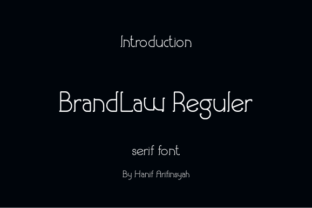
Brandlaw: A Serif Font with Personality
Brandlaw is more than just a font—it's a statement. With its elegant serif style and distinctive character, it brings a touch of sophistication and charm to any design project. Whether you're crafting a logo, designing editorial layouts, or building a brand identity, Brandlaw has the potential to elevate your work and make it stand out.
The Unique Charm of Brandlaw
Brandlaw stands out in the world of typography for its refined yet approachable aesthetic. Its serif design features subtle flourishes and clean lines that balance tradition with modernity. The font carries a sense of authority and warmth, making it versatile for both formal and creative applications.
What makes Brandlaw truly special is its personality. It feels personal, almost like a handwritten note from a trusted friend. This unique flavor adds character without overwhelming the reader, allowing the message to shine through with clarity and elegance.
Where Brandlaw Shines
Brandlaw works exceptionally well in a variety of contexts, from print to digital media. In branding, it can serve as a signature typeface that conveys trust and reliability. For logos, its structured yet artistic form adds visual interest while maintaining professionalism.
In editorial design, Brandlaw brings a timeless quality to headlines and body text, offering a sophisticated alternative to standard sans-serif fonts. It’s also an excellent choice for packaging design, where its visual appeal can help products stand out on shelves.
For web design, Brandlaw performs well when used in headers and titles, adding a touch of elegance to websites. On social media graphics, it can create eye-catching visuals that align with brand aesthetics without sacrificing readability.
Designing with Brandlaw
When using Brandlaw, consider how it fits within your overall design strategy. Its serif nature makes it ideal for projects that require a sense of history or craftsmanship. However, it’s important to pair it thoughtfully with other fonts to maintain balance and ensure legibility.
For instance, combining Brandlaw with a clean sans-serif font like Montserrat can create a dynamic contrast that enhances visual hierarchy. This pairing is particularly effective in branding materials where clarity and style must coexist.
How Brandlaw Influences Perception
Typography plays a crucial role in shaping audience perception, and Brandlaw is no exception. Its elegant form can evoke feelings of trust, creativity, and authenticity. When used consistently across all brand touchpoints, it helps build recognition and reinforces brand identity.
Moreover, Brandlaw contributes to a sense of professionalism while remaining approachable. This duality makes it suitable for both small businesses and larger enterprises looking to establish a strong visual presence. Its versatility allows it to adapt to different industries, from publishing to marketing.
Readability and Visual Hierarchy
While Brandlaw is visually appealing, it’s important to consider its readability, especially at smaller sizes. Like many serif fonts, it excels in larger formats such as headlines and titles but may require adjustments for body text. Always test how it looks in different contexts before finalizing your design.
When creating visual hierarchy, use Brandlaw strategically. Its bold and decorative elements can draw attention to key messages, making it ideal for call-to-action buttons, taglines, and promotional content. Pair it with simpler fonts for supporting text to maintain focus and clarity.
Choosing and Using Brandlaw
If you're considering Brandlaw for your next project, start by evaluating whether it aligns with your brand’s voice and visual goals. Does it reflect the personality of your business? Will it resonate with your target audience?
Once you’ve decided to use Brandlaw, review the included styles and weights to ensure they meet your needs. Most premium fonts offer a range of options, including regular, bold, italic, and condensed variants. These can be invaluable for creating depth and variation in your designs.
Before finalizing, always test how the font appears in different environments. Check its performance on screens, in print, and across various platforms. Consider how it interacts with other design elements, such as colors, spacing, and imagery, to ensure a cohesive look.
Commercial Licensing and Best Practices
When using Brandlaw commercially, make sure you have the appropriate license. Premium fonts often come with specific usage rights, so it’s essential to understand what’s allowed. Some fonts are restricted to personal use only, while others are available for commercial projects.
Always review the licensing terms carefully and ensure compliance. If you’re working on a large-scale project, consider purchasing a commercial license to avoid any legal issues. This step is crucial for maintaining the integrity of your design and protecting your brand.
Real-World Applications of Brandlaw
From boutique brands to independent publishers, Brandlaw has found a place in diverse design scenarios. One example is a lifestyle blog that uses it for headers and quotes, creating a warm and inviting atmosphere. Another is a boutique coffee shop that incorporates it into its logo and packaging, reinforcing a sense of quality and craftsmanship.
Whether you're designing a website, a magazine cover, or a product label, Brandlaw offers a unique way to express your brand’s identity. Its ability to blend elegance with approachability makes it a valuable tool for designers and creators looking to make a lasting impression.